

Legacy_Lightning
Member
- Thread starter
- #1
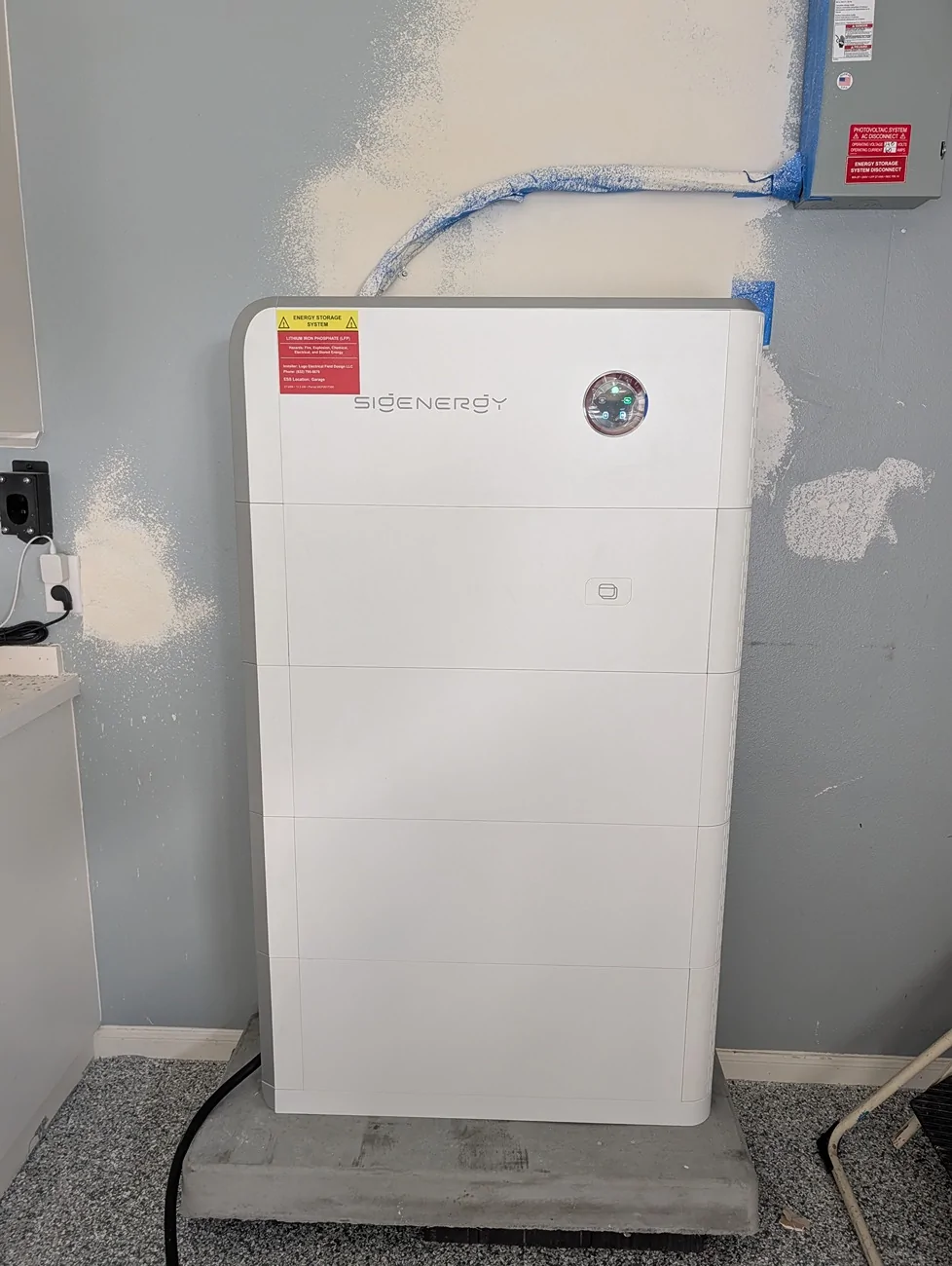
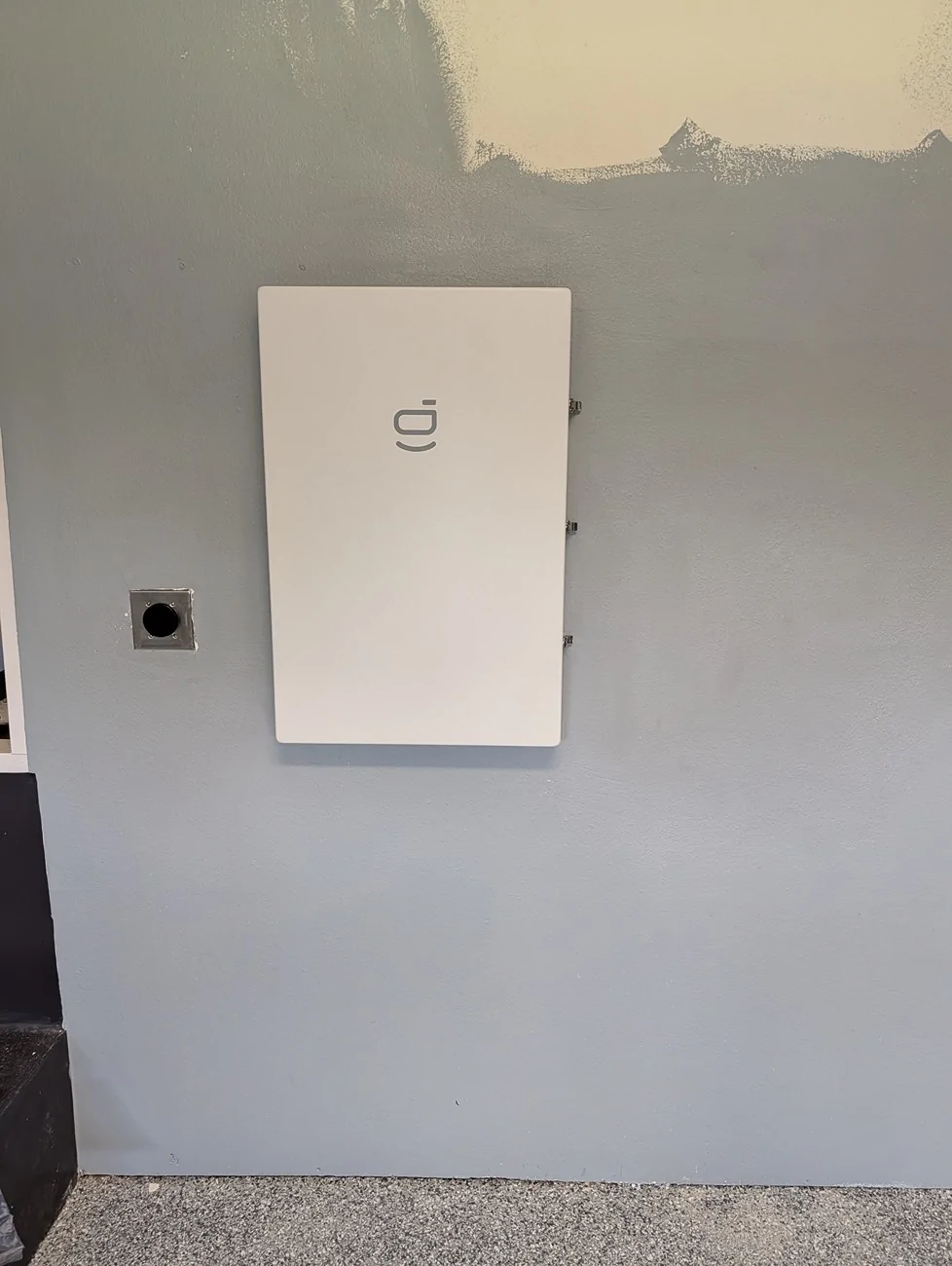
I’ve been running the Sigenergy ecosystem—a 27kWh battery stack with the integrated EVDC charger—for just under a month now. For anyone balancing home energy management in Texas, here is my honest take on the hardware, the complex install, and the software ecosystem.
Value, Pricing, and the "Tesla Dilemma"
While Sigenergy is competitively priced, it still feels a bit higher than it needs to be, especially considering it’s not manufactured domestically. However, the value proposition changes when you look at the competition. For the same price as a Tesla Powerwall setup of equal capacity, Sigenergy includes the EVDC (Electric Vehicle DC) charger. In my view, that EVDC is the "killer feature"—it’s the single most important component in the stack and was the primary reason I chose Sigenergy over Tesla.
That said, there is a clear trade-off here. With Tesla, you have the option to lease the system for five years. This allows for very economical monthly payments, and you know the exact buyout amount if you choose to own it outright later. It’s an incredibly practical entry point. Sigenergy doesn't offer a comparable lease path; it’s an ownership model that requires a significant upfront investment. If your priority is preserving cash flow rather than total system ownership and flexibility, Tesla’s model is tough to beat.
Functionality and Real-World Usage
Living in Texas, I’ve optimized my life around "Nights Free" electricity plans. We’ve been an all-electric household for five years, and we've historically managed just fine without solar by relying on the grid at night.
With this system, I’m now using the batteries to "time-shift" that free night power for use throughout the day. Because I work from home and always have an EV plugged in, I effectively have a massive mobile backup battery. Being in an acreage community where power outages can leave us without water, this system gives me the peace of mind of a generator, but with the daily utility of offsetting my electric bill.
The software is impressive—there is a high level of granularity for those who want to tweak their settings. My only major gripe: Sigenergy has backend access to change your system settings remotely without notifying the homeowner. I’ve provided feedback to them that there needs to be an authorization gate or, at the very least, a notification log so users know exactly when and why support or the installer has adjusted their parameters.
Build Quality
The hardware feels solid—it actually looks like a piece of high-end garage decor rather than industrial equipment. The built-in fire safety features are a huge plus. The only weak point? The plastic decorative trim pieces on the sides. They feel a bit flimsy, and you have to be careful when handling them during installation, or they will snap.
The Installation Experience
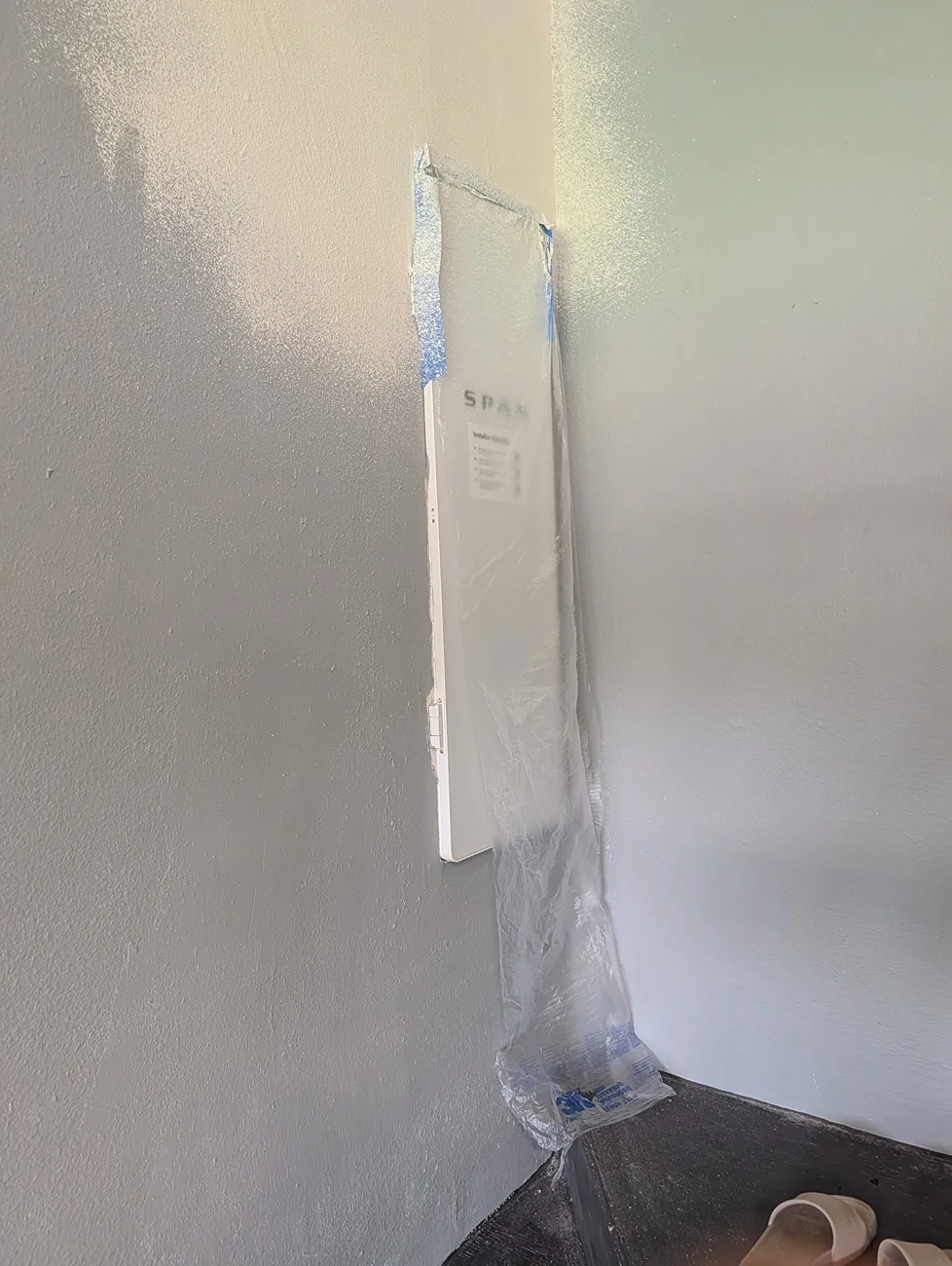
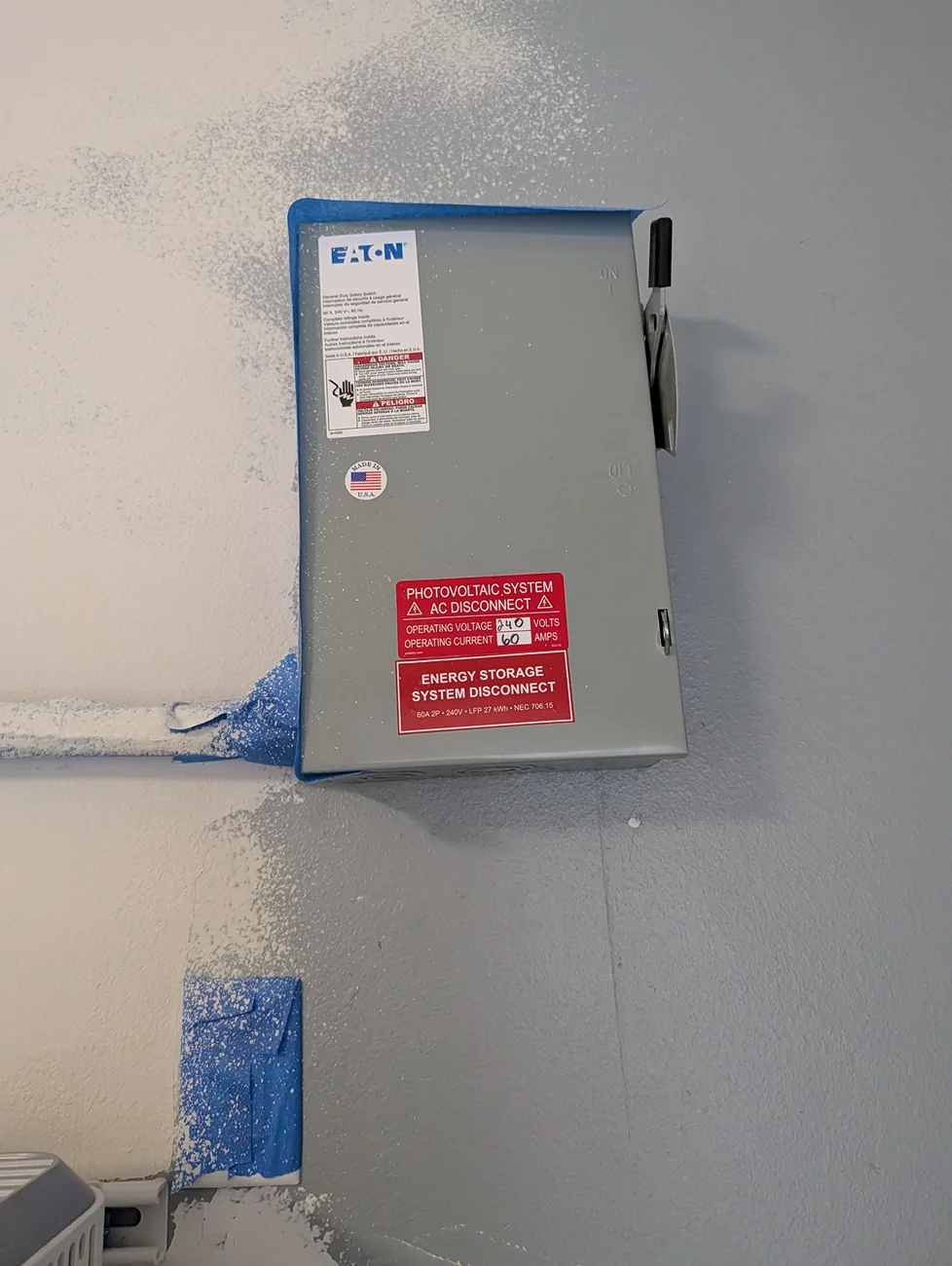
I worked with EOS Solar for this project. To be transparent: the install was complex. Because I already had a SPAN panel installed, we had to get creative. The main service feed originated from the opposite side of the house, which required a difficult pull through finished areas and quite a bit of drilling through studs.
There was a hiccup: the original installer bailed after day one. In hindsight, it was a blessing in disguise—he wasn’t prepared and clearly hadn’t reviewed the documentation. EOS Solar immediately sent a second team that was night-and-day better. They included me in every step of the process, were open to my suggestions, and handled the 70-foot service feed run professionally (using Polaris connectors to join an existing copper run, which saved a significant amount in material costs). It took two full days plus a little extra time on the third, but the craftsmanship was excellent.
Pro-tip for others: Think of the Sigenergy Load Hub as your new Main Panel, and your existing panel effectively becomes a sub-panel. If I were to do it again, I would have insisted on running the cabling through conduit in the attic for extra protection. I opted for 4-gauge wire to account for the Texas heat, but 6-gauge is sufficient if you're using high-quality outdoor-rated (UF-B) wire.
Pros and Cons
The Advantages:

Value, Pricing, and the "Tesla Dilemma"
While Sigenergy is competitively priced, it still feels a bit higher than it needs to be, especially considering it’s not manufactured domestically. However, the value proposition changes when you look at the competition. For the same price as a Tesla Powerwall setup of equal capacity, Sigenergy includes the EVDC (Electric Vehicle DC) charger. In my view, that EVDC is the "killer feature"—it’s the single most important component in the stack and was the primary reason I chose Sigenergy over Tesla.
That said, there is a clear trade-off here. With Tesla, you have the option to lease the system for five years. This allows for very economical monthly payments, and you know the exact buyout amount if you choose to own it outright later. It’s an incredibly practical entry point. Sigenergy doesn't offer a comparable lease path; it’s an ownership model that requires a significant upfront investment. If your priority is preserving cash flow rather than total system ownership and flexibility, Tesla’s model is tough to beat.
Functionality and Real-World Usage
Living in Texas, I’ve optimized my life around "Nights Free" electricity plans. We’ve been an all-electric household for five years, and we've historically managed just fine without solar by relying on the grid at night.
With this system, I’m now using the batteries to "time-shift" that free night power for use throughout the day. Because I work from home and always have an EV plugged in, I effectively have a massive mobile backup battery. Being in an acreage community where power outages can leave us without water, this system gives me the peace of mind of a generator, but with the daily utility of offsetting my electric bill.
The software is impressive—there is a high level of granularity for those who want to tweak their settings. My only major gripe: Sigenergy has backend access to change your system settings remotely without notifying the homeowner. I’ve provided feedback to them that there needs to be an authorization gate or, at the very least, a notification log so users know exactly when and why support or the installer has adjusted their parameters.
Build Quality
The hardware feels solid—it actually looks like a piece of high-end garage decor rather than industrial equipment. The built-in fire safety features are a huge plus. The only weak point? The plastic decorative trim pieces on the sides. They feel a bit flimsy, and you have to be careful when handling them during installation, or they will snap.
The Installation Experience
I worked with EOS Solar for this project. To be transparent: the install was complex. Because I already had a SPAN panel installed, we had to get creative. The main service feed originated from the opposite side of the house, which required a difficult pull through finished areas and quite a bit of drilling through studs.
There was a hiccup: the original installer bailed after day one. In hindsight, it was a blessing in disguise—he wasn’t prepared and clearly hadn’t reviewed the documentation. EOS Solar immediately sent a second team that was night-and-day better. They included me in every step of the process, were open to my suggestions, and handled the 70-foot service feed run professionally (using Polaris connectors to join an existing copper run, which saved a significant amount in material costs). It took two full days plus a little extra time on the third, but the craftsmanship was excellent.
Pro-tip for others: Think of the Sigenergy Load Hub as your new Main Panel, and your existing panel effectively becomes a sub-panel. If I were to do it again, I would have insisted on running the cabling through conduit in the attic for extra protection. I opted for 4-gauge wire to account for the Texas heat, but 6-gauge is sufficient if you're using high-quality outdoor-rated (UF-B) wire.
Pros and Cons
The Advantages:
- EVDC Charging: It’s currently the only system in this price range that allows for universal bi-directional charging (V2H/V2G) across most EV brands.
- Competitive Entry Cost: You get more functionality for your dollar compared to the major alternatives.
- Future Expansion: The "brick-stacking" design is underrated. Adding capacity is as simple as buying another battery module and stacking it yourself; no electrician visit required.
- Remote Adjustments: As mentioned, the lack of transparency regarding remote setting changes by the manufacturer is a significant concern.
- Reliability/Warranty: Since the brand is relatively new to the U.S. market, the long-term reliability and the responsiveness of warranty support remain an open question.
- Charging Logic: I did encounter an early issue where the V2H output was capped at 2.4kW, which isn't enough for a full-home backup. Sigenergy patched the logic, but I highly recommend testing your V2H output immediately after installation and periodically afterward to ensure the system is behaving as expected.
Sponsored


