
LB_Lightning
Member
- Thread starter
- #1
Hey everyone, Shawn here. I’m a Licensed P.E. and the founder of EV Rods, an automotive engineering studio based out of Long Beach, CA.
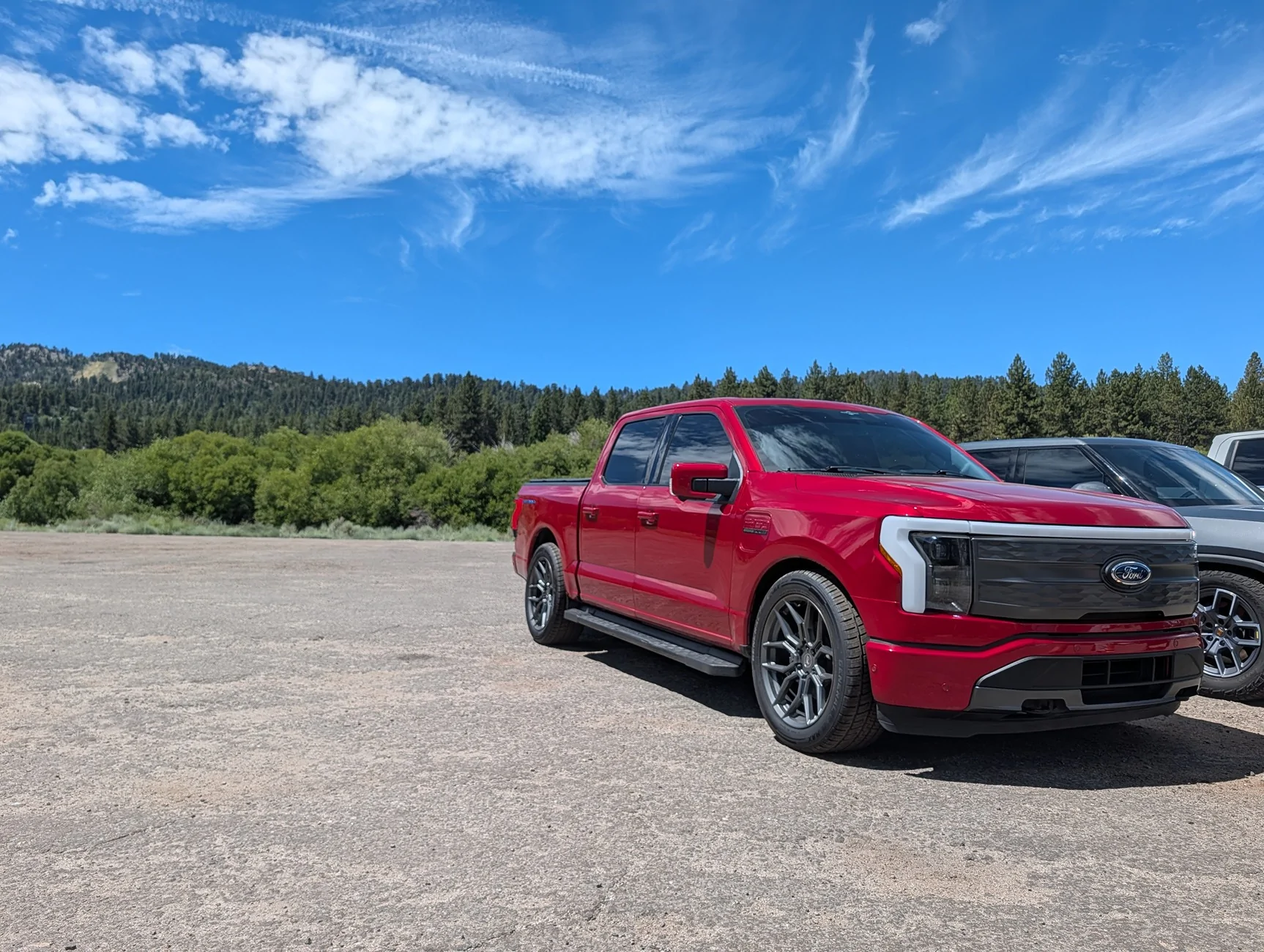
I’m kicking off this build log to share our active R&D process as we engineer a complete, bolt-on performance street suspension solution specifically for the F-150 Lightning. We are re-engineering the suspension architecture from the ground up using real-world chassis data and OEM geometry data pulled directly from our SEMA Tech Transfer membership. The goal is to deliver an aggressive street truck stance without sacrificing precision handling or factory ride comfort.
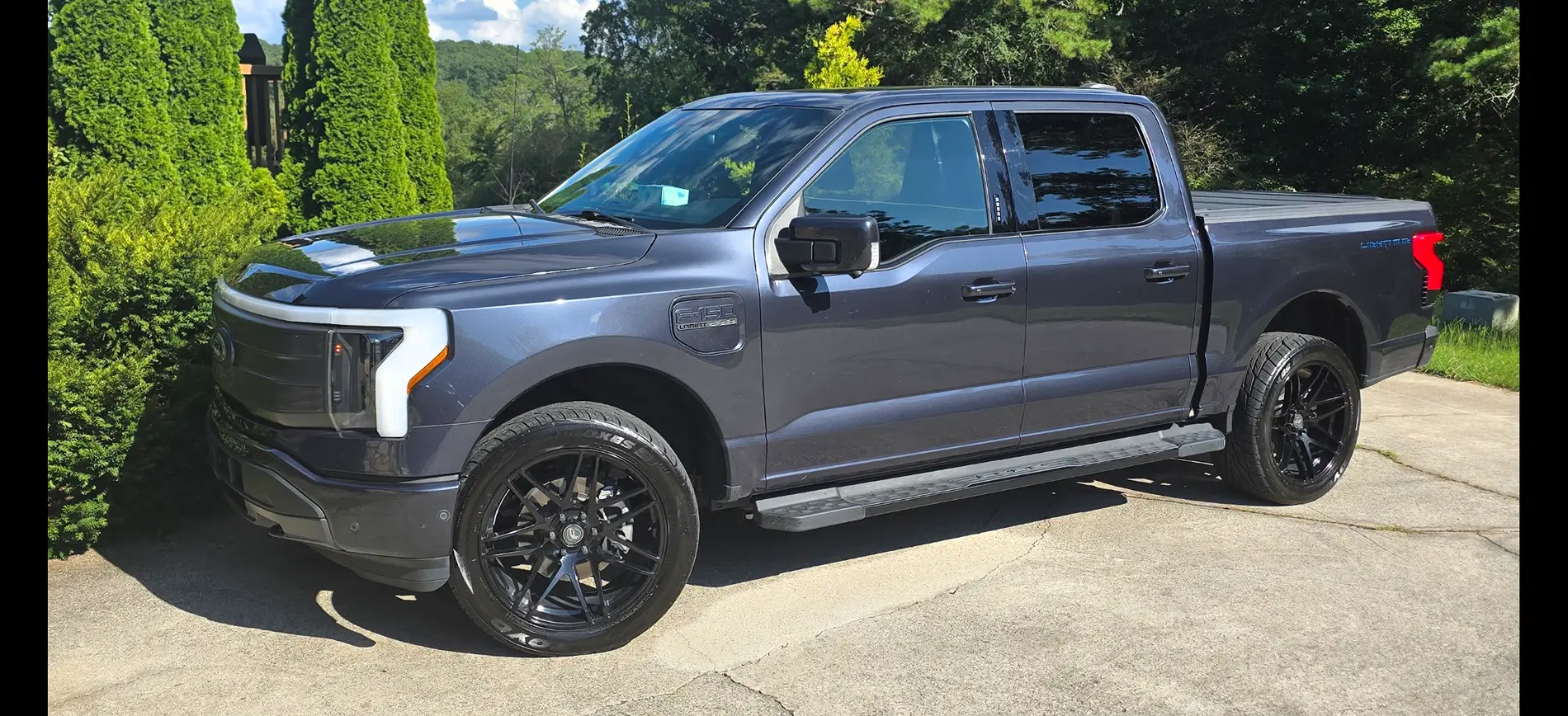
TI bought my ’23 Lightning Lariat ER used, and the previous dealer had installed some less-than-ideal tires. After a year of driving it, I upgraded to a set of 22x10 Forgestar X14 wheels to significantly reduce my un-sprung mass. (I'll do a separate deep-dive post later comparing the massive Lariat ER factory wheel weights directly against the Forgestars).
Once the new wheels were on, the factory rake really started to bother me. I don’t take my truck off-roading; I wanted an actual street truck stance. Looking for a no-compromise street performance kit, I analyzed the Universal Ride Tech HQ series. Instead of guessing on spring rates I put the truck on scales to reverse-engineer the vehicle dynamics.
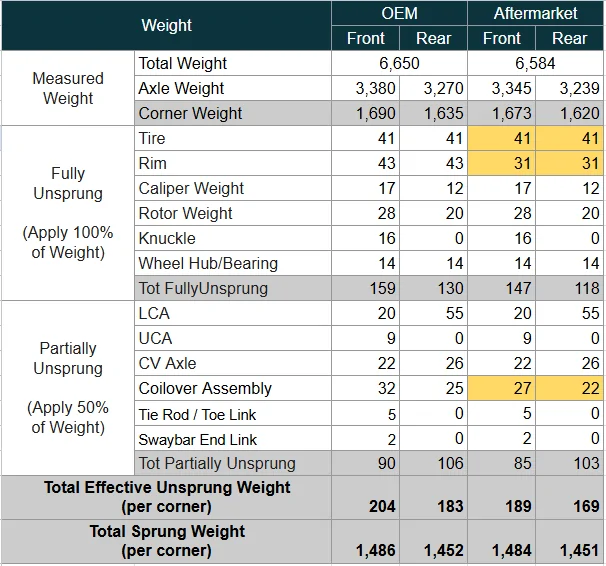
The Baseline Mass Data To properly calculate our target spring rates and motion ratios, we measured the front and rear axle weights, broke down corner weights, and mapped the sprung vs. unsprung mass per corner.
Note: Some of the individual component weights below are calculated estimates to give us a solid, working baseline for rough corner weights.

The Geometry & Ride Frequency Shift From our corner weights, we calculated the stock OEM ride frequency to be 1.19 Hz Front / 1.36 Hz Rear. You'll notice the factory rear is roughly 14.3% stiffer than the front.
Our Street Truck setup target is 1.40 Hz Front / 1.60 Hz Rear. This shift makes the chassis significantly more responsive and helps mitigate bottoming out—a critical factor since we are reducing the overall suspension articulation available.
Here is the full geometry and spring rate comparison matrix we engineered to hit those targets:

Our physical prototype rear brackets and custom top hats to seamlessly integrate the Ride Tech hardware are currently in CAD and heading out for CNC machining. Once we receive the machined parts and install I’ll share physical fitment photos here in Part 2.
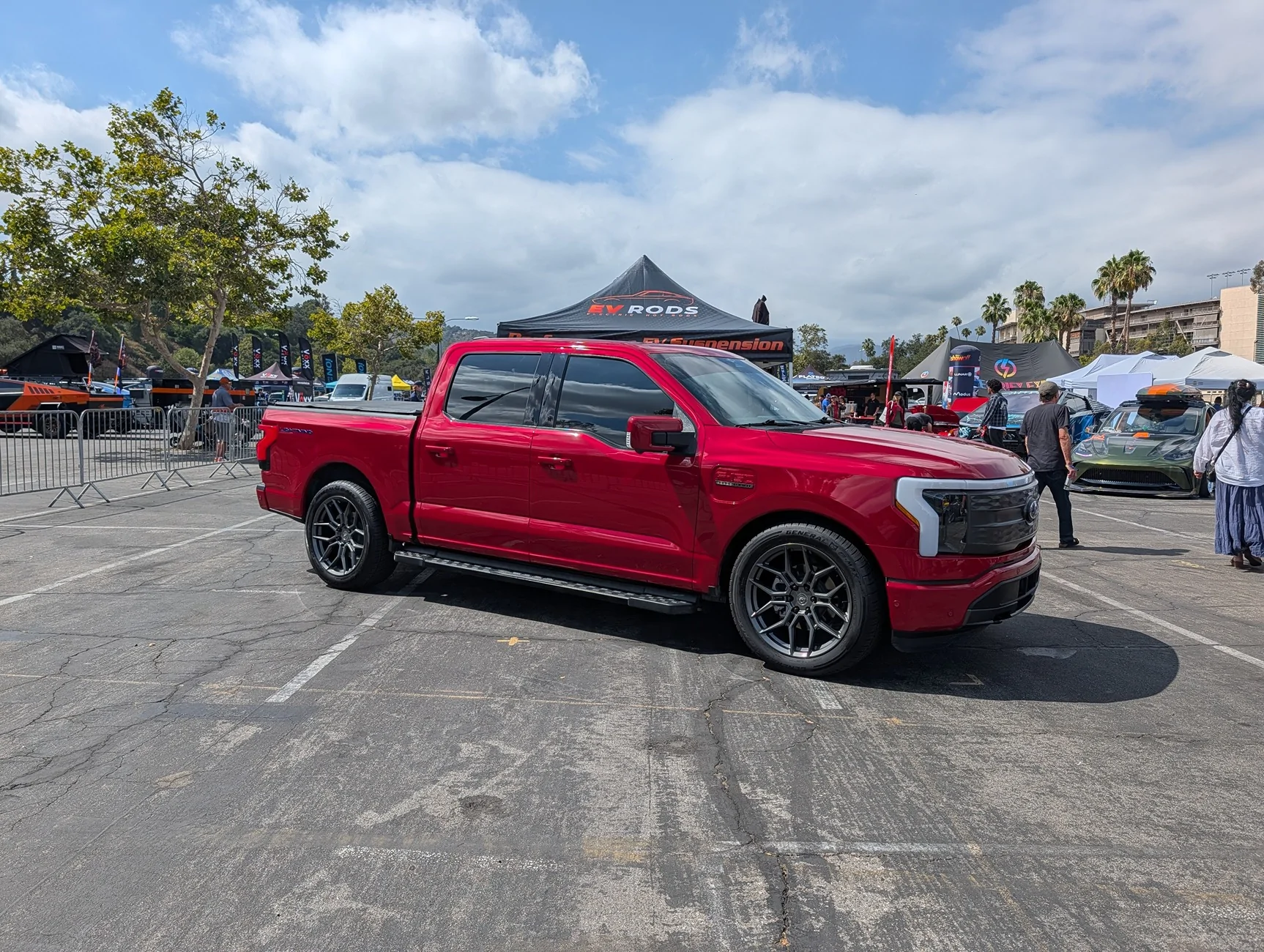
Let me know what you guys think about the OEM vs. Aftermarket wheel rate shifts or the factory un-sprung weight data! If anyone is local to SoCal, I'm taking the Lightning to Demo Days LA at the Rose Bowl this weekend. If you're going, let me know—I’d love to talk suspension geometry in person.

Cheers!
Update with some photos from pre-install from tonight...

I’m kicking off this build log to share our active R&D process as we engineer a complete, bolt-on performance street suspension solution specifically for the F-150 Lightning. We are re-engineering the suspension architecture from the ground up using real-world chassis data and OEM geometry data pulled directly from our SEMA Tech Transfer membership. The goal is to deliver an aggressive street truck stance without sacrificing precision handling or factory ride comfort.
TI bought my ’23 Lightning Lariat ER used, and the previous dealer had installed some less-than-ideal tires. After a year of driving it, I upgraded to a set of 22x10 Forgestar X14 wheels to significantly reduce my un-sprung mass. (I'll do a separate deep-dive post later comparing the massive Lariat ER factory wheel weights directly against the Forgestars).
Once the new wheels were on, the factory rake really started to bother me. I don’t take my truck off-roading; I wanted an actual street truck stance. Looking for a no-compromise street performance kit, I analyzed the Universal Ride Tech HQ series. Instead of guessing on spring rates I put the truck on scales to reverse-engineer the vehicle dynamics.
The Baseline Mass Data To properly calculate our target spring rates and motion ratios, we measured the front and rear axle weights, broke down corner weights, and mapped the sprung vs. unsprung mass per corner.
Note: Some of the individual component weights below are calculated estimates to give us a solid, working baseline for rough corner weights.
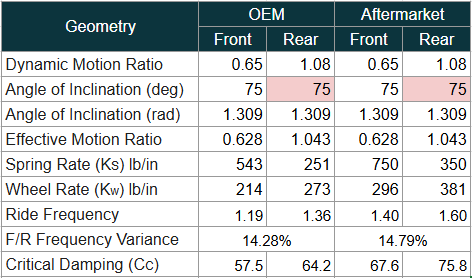
The Geometry & Ride Frequency Shift From our corner weights, we calculated the stock OEM ride frequency to be 1.19 Hz Front / 1.36 Hz Rear. You'll notice the factory rear is roughly 14.3% stiffer than the front.
Our Street Truck setup target is 1.40 Hz Front / 1.60 Hz Rear. This shift makes the chassis significantly more responsive and helps mitigate bottoming out—a critical factor since we are reducing the overall suspension articulation available.
Here is the full geometry and spring rate comparison matrix we engineered to hit those targets:
Our physical prototype rear brackets and custom top hats to seamlessly integrate the Ride Tech hardware are currently in CAD and heading out for CNC machining. Once we receive the machined parts and install I’ll share physical fitment photos here in Part 2.
Let me know what you guys think about the OEM vs. Aftermarket wheel rate shifts or the factory un-sprung weight data! If anyone is local to SoCal, I'm taking the Lightning to Demo Days LA at the Rose Bowl this weekend. If you're going, let me know—I’d love to talk suspension geometry in person.
Cheers!
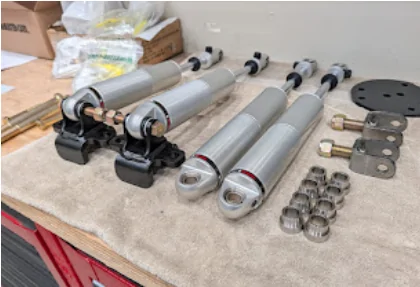
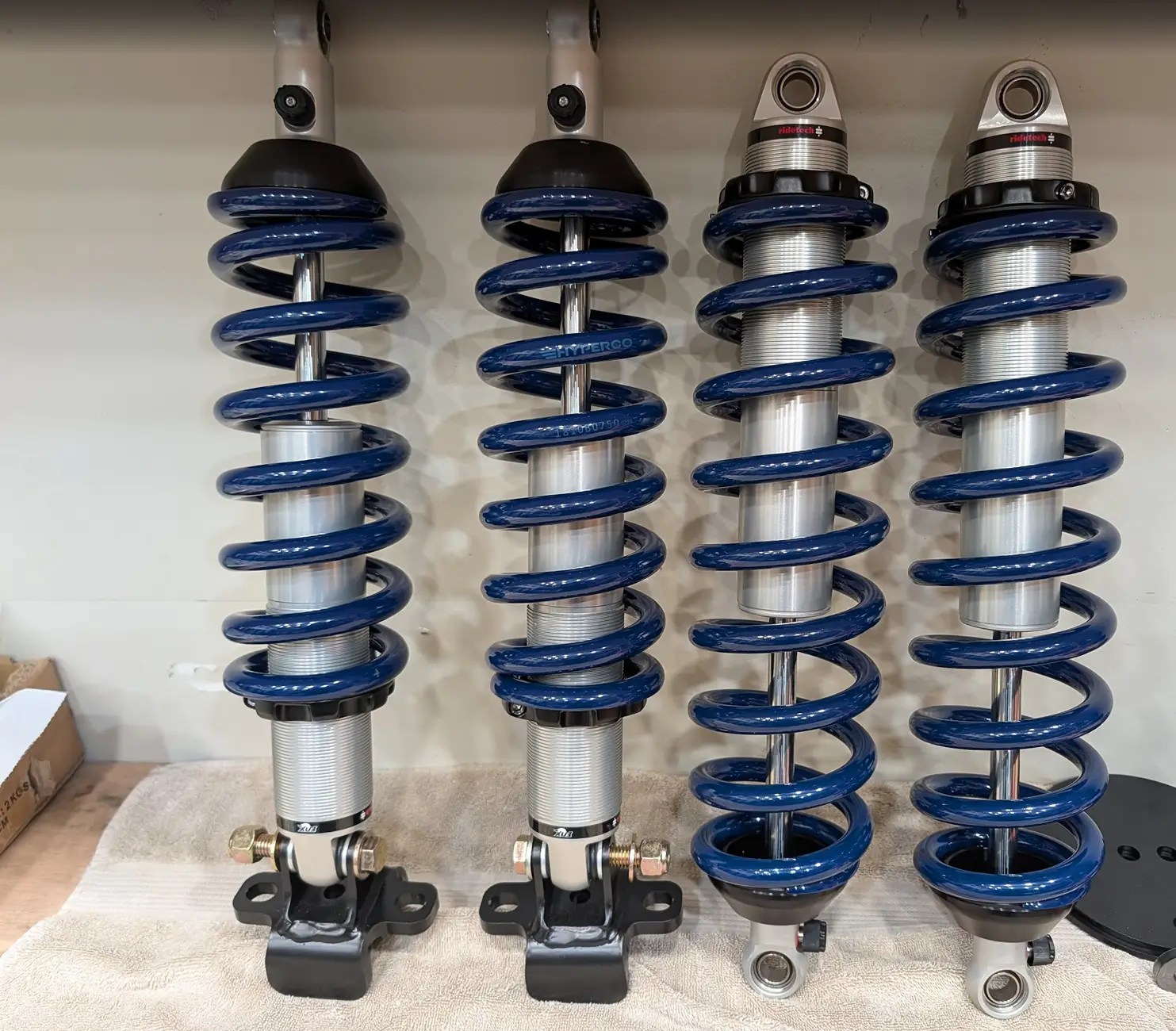
Update with some photos from pre-install from tonight...
Sponsored
Last edited: