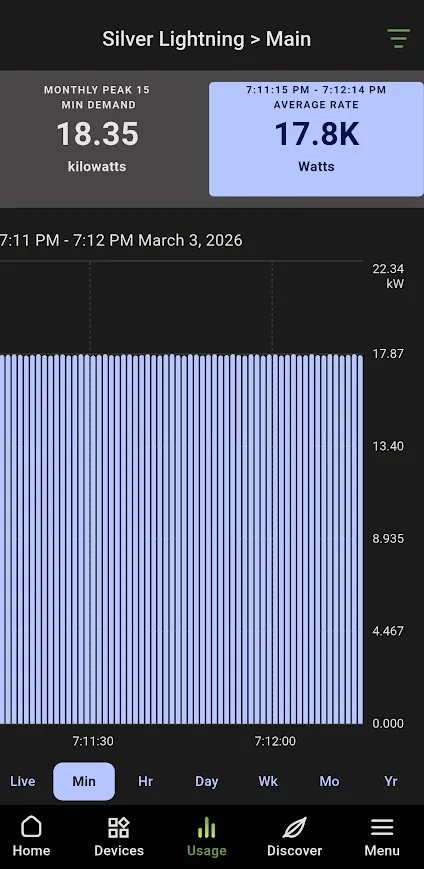
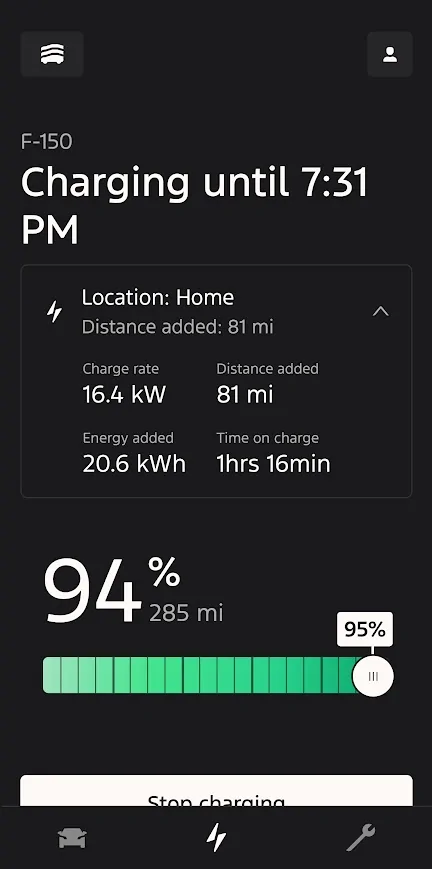
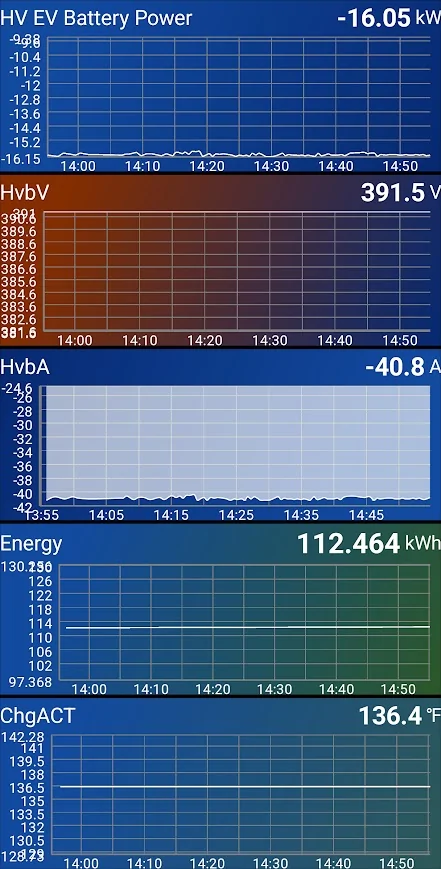
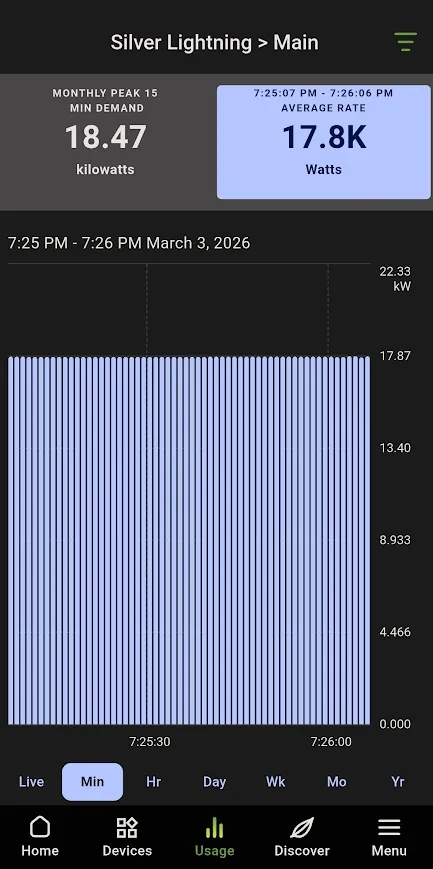
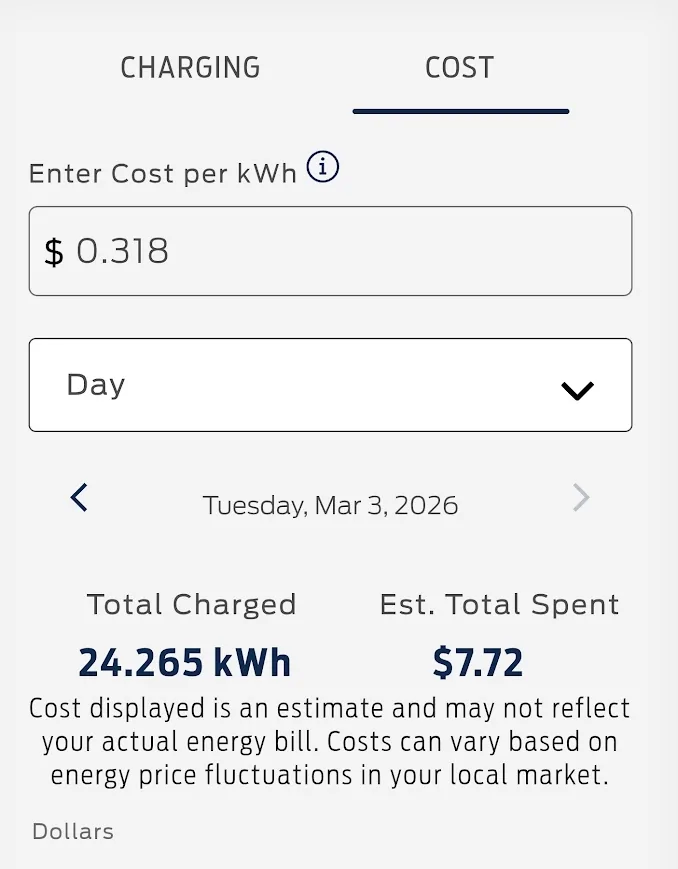
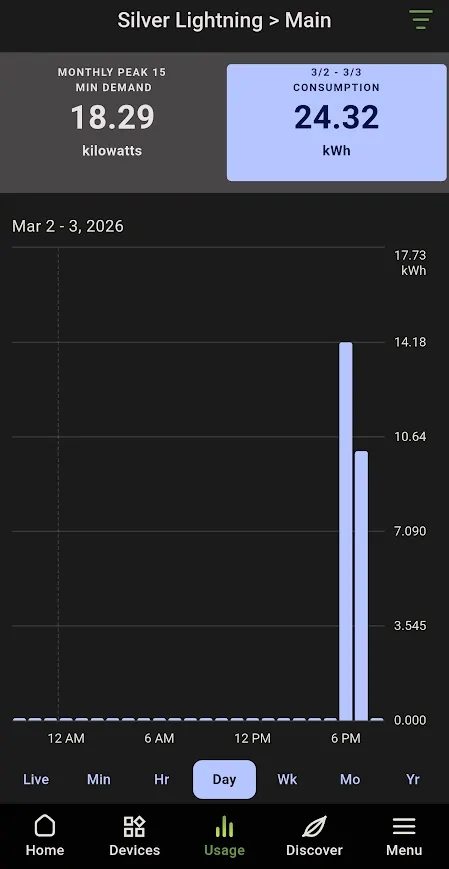
Do you record log files with Car Scanner, if so look at the AC Charge COupler Temperature to see if it's spiking!!! Hope it's not as that would indicate a problem with either the port in the truck, since your seeing the same with your EVSE and the one at work, we can assume they aren't the problem.
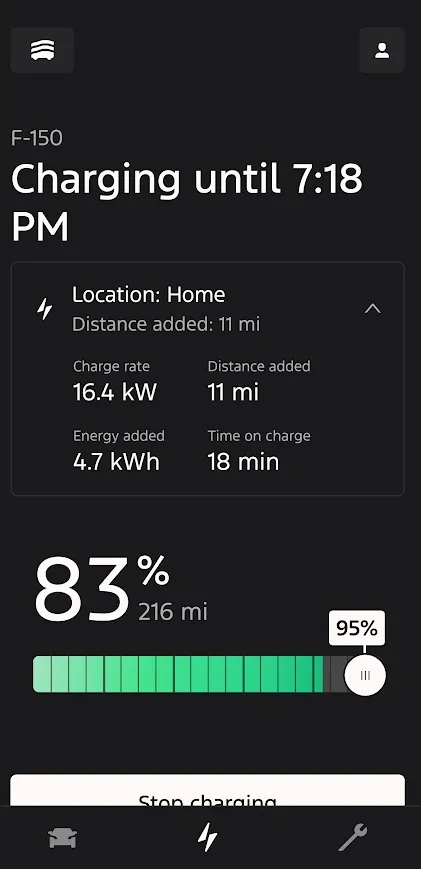
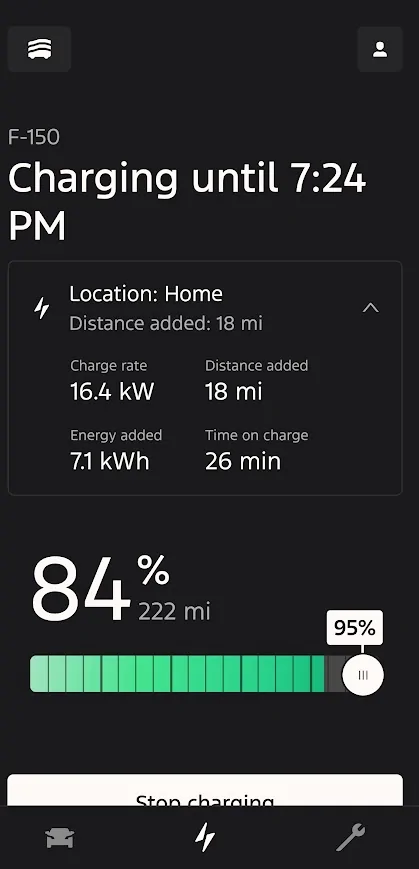
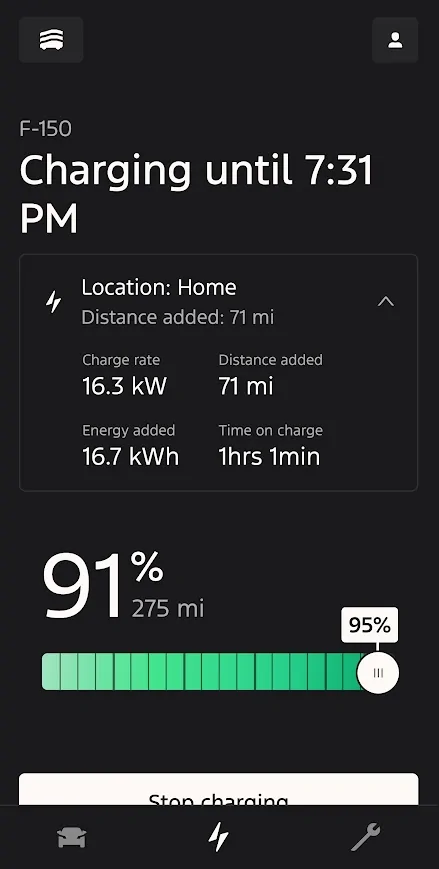
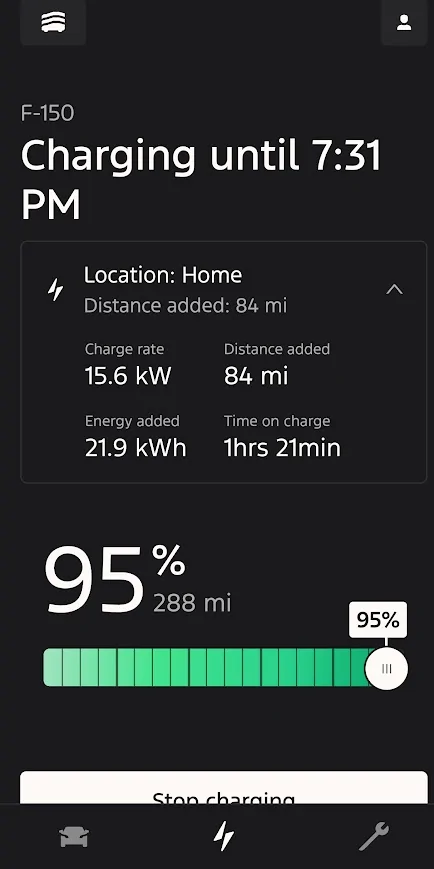
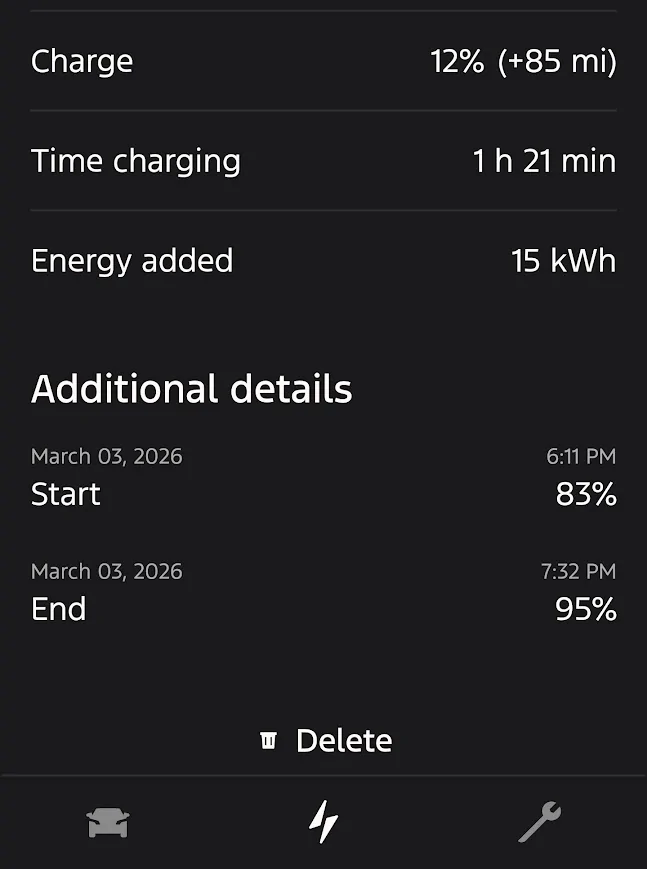
Of course if you don't see abnormal temps, ie. 136 degrees is what I just experienced charging my truck from 83% to 95%, I never seen a derating during the entire process, then you might have other issues with the hardware of software on the truck.
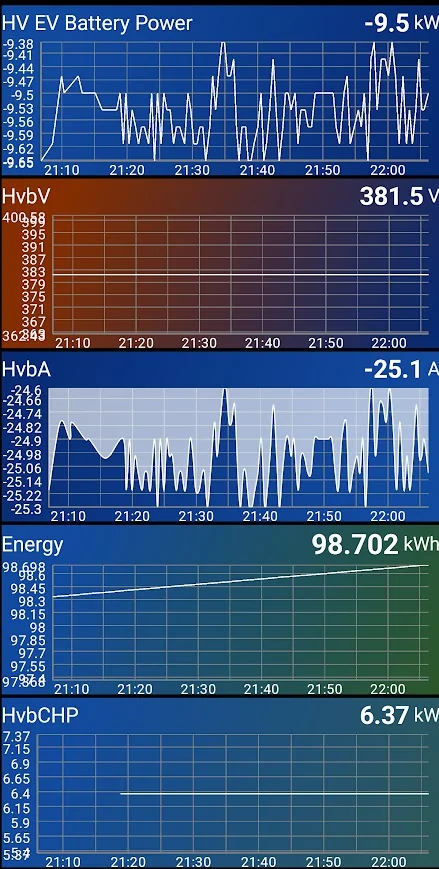
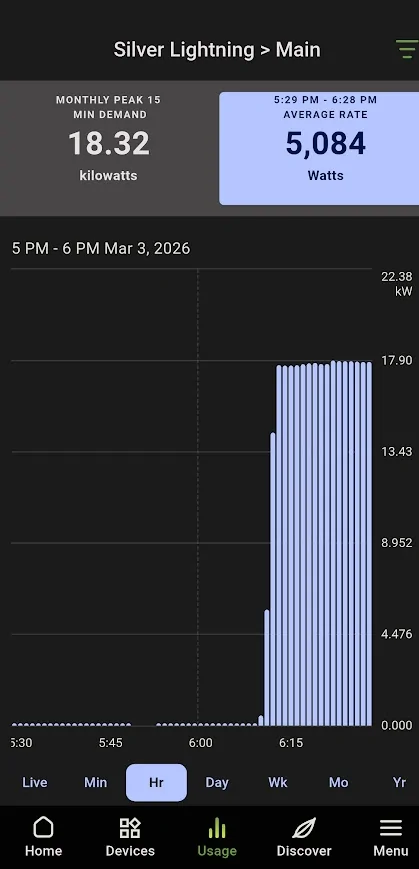
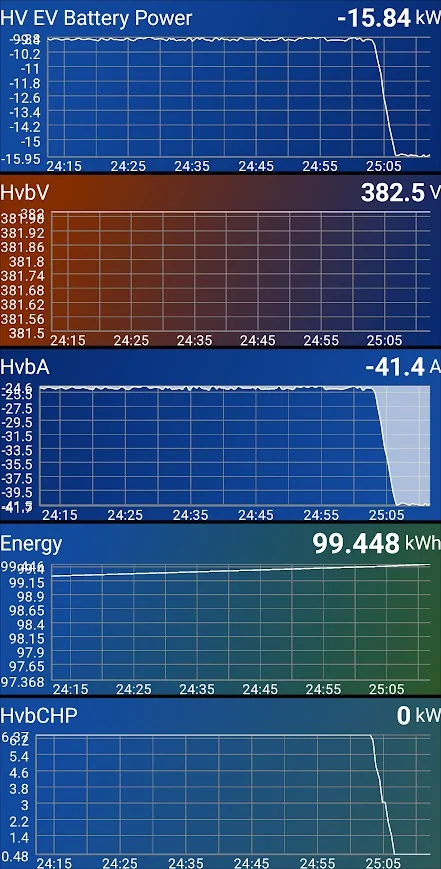
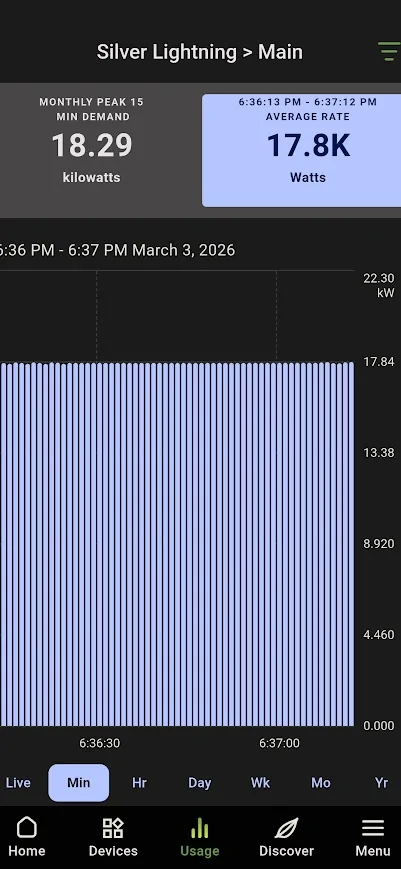
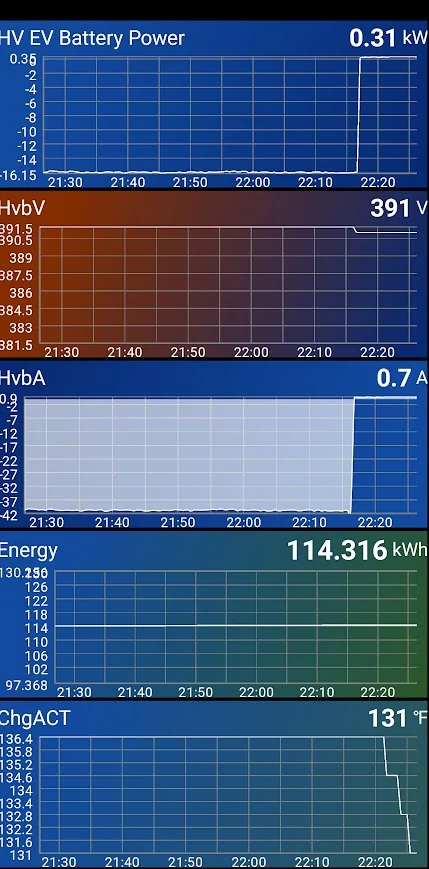
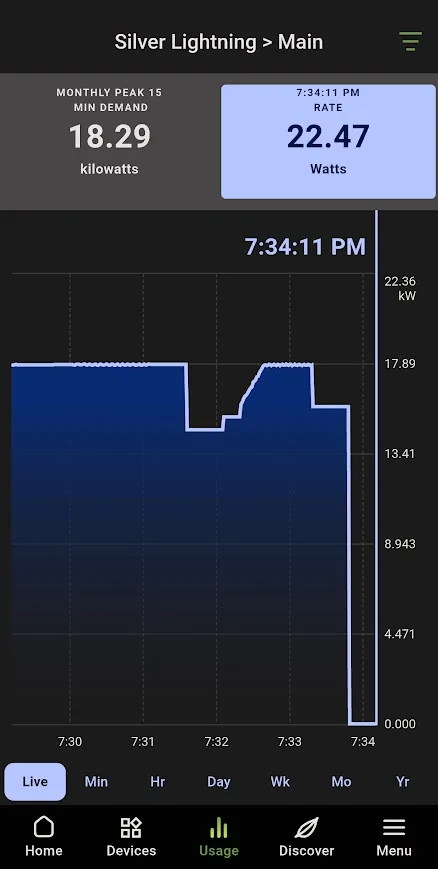
At the start of the process the HVB was very cold, so half the energy went to the PTC to warm it up as seen on second photo bottom graph 6.37 kW for warming (Cabin HVAC OFF) and 9.5kW was to charging (80 AMP EVSE), Emporia monitor showing 17.9 kW energy flow.
At this point 26 minutes the battery reached acceptable temp for full rate charging, PTC energy shut down to 0 kW, EVSE continued plugging along
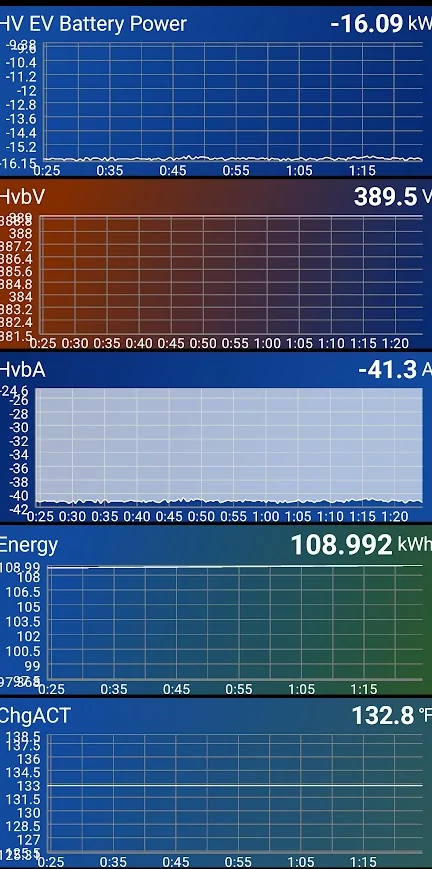
I started monitoring the AC Charge Couple temperature on the bottom graph at this point (middle photo) input energy is consistent, no sign of derating.
Now at 94%, all is running fine, coupler temp 136.4 degrees, input energy stable
Hit the 95% point, it didn't auto stop because I had the truck "running" to keep the data feed going to car scanner with out interruption, I manually shut it down, ending results.
Excellent, answered my remaining questions about the PTC, including both how it looks at the charger/ford app (just looks like charging) and amp cost at the charger (25-30, daymmm)
So if we assume the BMS for the HVB is doing its job when it derated the current, what could the reasons be?
As mentioned above battery temperature could be a reason - if the battery cooling system is not working effectively that could be an issue I imagine.
A poor SOH degraded battery - the OP's battery reportedly has a 98% SOH so that doesn't seem to be a factor.
Cell imbalance - the BMS might be trying to balance cells/modules and if the imbalance if high, that could be a reason, again it's an 'I guess.'
The OP shows a 4.76% module variation / imbalance. I am not 100% positive, but that seems to me could indicate a bad battery module?
The charge curve for an EV battery up to 80% SOC or so is a constant current curve, the EVSE delivering max current (controlling the voltage).
Above that level it switches to a constant voltage method and the current reduces.
That change is most dramatic in DC Fast charging where high initial currents are being used, but it is also normal in AC charging though may not be very noticeable.
The OP has a very noticeable drop in current, so that does seems to indicate a battery problem.
I suppose it could also be the BMS has an issue, but with the module imbalance noted, not as likely?
Just my guesses.
PS: as suggested, if the OP can charge to 100% SOC and then look for the module differences, if it is still 4.76% that would be a sure sign of a bad module.
Also if it can be monitored under load, when driving, esp accelerating, and if it gets bigger, another clear sign of a bad module.
There was a video about LeafSpy and various Leaf vehicles that demonstrated that effect under load dramatically looking at cell voltages.