

RickLightning
Well-known member
Electricity is going to keep going up everywhere with these massive data centers. There will be little we can do beside pay.
Sponsored
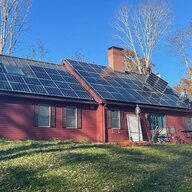
Or add solar, if you're in a house. You can make a lot of your own electricity at home. That's kind of the ace in the hole for driving electric.Electricity is going to keep going up everywhere with these massive data centers. There will be little we can do beside pay.
We don't drive enough locally to demand a lot of power. Also have natural gas - stovetop, water heater, dryer, 2 furnaces. Payoff in going to solar way too far out there.Or add solar, if you're in a house. You can make a lot of your own electricity at home. That's kind of the ace in the hole for driving electric.

So true. I was talking with our former PUD manager about 6 years ago. He said the most important position in the District was the gal buying power futures. A consultant relayed that natural gas was becoming a power system player and that was resulting in major gas line extensions and because of federal permits-legal oversight, new rights of way were being planned & laid out. Crazy era.Electricity is going to keep going up everywhere with these massive data centers. There will be little we can do beside pay.

Or add solar, if you're in a house. You can make a lot of your own electricity at home. That's kind of the ace in the hole for driving electric.

Next EV? Unlikely to see this before end of decade or later.There is a good chance that the next EV you buy will have a charge time of less than 10 mins. Even now, anode tech changes (with Silicone-Carbon for example), offer significant gains in terms of battery charge and discharge rates and available power per kilogram. These anodes are not yet in production EV vehicles (but I believe Porsche might have one soon). Additionally, most of the industry R&D is on the cathode side, and there is good stuff happening there also.
When charge time drops to under 10 min, the existing model for gas stations will work for EVs also. Problem solved.
I switched from progressive to Allstate and saved myself about $1,300 every 6 months. My '23 lightning now costs $60 more per year than my Forester. Progressive had bumped me up quite a bit when I added the truck. Check them out. I have four drivers and three vehicles.I’m wondering if the “unstable” fuel prices and the soon to appear $30,000 BEVs may have something to do with this?. That plus proven battery long term health and lower maintenance? Insurance still sucks as do repair costs.
Chargers are likely scaled to fit the needed demand… not max speed as a big box retailer wants the customer to shop, thus calling for power demand for 40% of say a 60-80 kwh battery in 45 minutes is way cheaper to scale as opposed dumping that wattage in 5 minutes.There is a good chance that the next EV you buy will have a charge time of less than 10 mins. Even now, anode tech changes (with Silicone-Carbon for example), offer significant gains in terms of battery charge and discharge rates and available power per kilogram. These anodes are not yet in production EV vehicles (but I believe Porsche might have one soon). Additionally, most of the industry R&D is on the cathode side, and there is good stuff happening there also.
When charge time drops to under 10 min, the existing model for gas stations will work for EVs also. Problem solved.
I’m paying just over $800/yr to insure my Lightning with State Farm. I did notice they significantly reduced my rate during the first year.I switched from progressive to Allstate and saved myself about $1,300 every 6 months. My '23 lightning now costs $60 more per year than my Forester. Progressive had bumped me up quite a bit when I added the truck. Check them out. I have four drivers and three vehicles.

That makes sense for around town/urban situations, but the thing holding back adoption from folks I know is that it takes me 10 hours to make an 8 hour trip out-of-state. Highway charging will be a blocker to the green transport transition until and unless the 45 min charging stop is cut to 5 mins.Chargers are likely scaled to fit the needed demand… not max speed as a big box retailer wants the customer to shop, thus calling for power demand for 40% of say a 60-80 kwh battery in 45 minutes is way cheaper to scale as opposed dumping that wattage in 5 minutes.
$30,000 BEVs match with Walmarts customer base and I could see chargers up front with competitive charge rates. The concept of putting chargers where people work, shop, eat-entertain, etc. makes so much sense.
One of the odd stats from the 70’s gas crisis was that there was more than enough gas to serve the cars, just that tanks were always full and the “reserve” was driving around as opposed to availability at gas stations. Hoarding mentality.


