
skaphan
Member
- First Name
- Shel
- Joined
- Aug 5, 2021
- Threads
- 0
- Messages
- 13
- Reaction score
- 5
- Location
- Seattle, WA, US
- Vehicles
- Subaru Outback
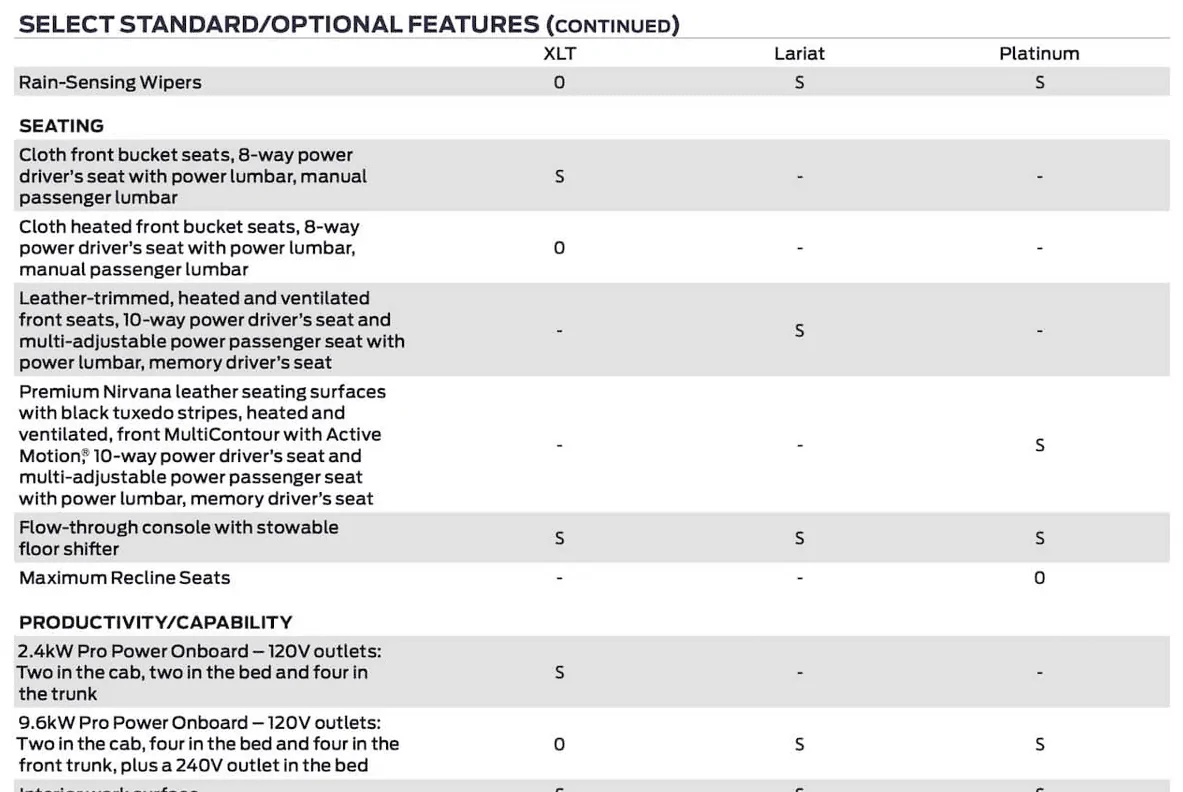
If this is true, that brings into question why they'd go for a DC option at all. Maybe it's this: If you want to power the house, it's at least intuitively sensible to do it through the EVSE. It is also probably a good idea that there is never any question about which side (the vehicle or the home) is powering which wires on the charging cable. CCS being what it is, that leaves the DC connections to go upstream to the house, as they already use the AC pins for charging. Using a solar inverter to convert to AC makes sense in a way, because then you automatically get a transfer switch to isolate from the grid when it's down. If you just used an AC connection from the vehicle, you then have to either avoid the household circuits or make sure they are disconnected from the grid. I wonder what the protocol to tell the vehicle to power the DC connection is like? And can you use a solar array to charge the vehicle even if the grid is down, and if so what is the control logic for this?Yes, but note there is a 9.6kW truck AC outlet on the Platinum that is optional for most or all of the other configurations I believe. The upgrade output is 7.2kW on the hybrid so another potential benefit of the full EV.
Agreed!Also, it can be beneficial to have a larger capacity that 2.4kW to start or run loads that don't run nonstop. So if your house had a 9.6kW peak load it does not mean you will run out in 16 hours. But yes, 2.4kW will do a lot for you over 0W!
Sponsored