
Upstate
Member
- Thread starter
- #1
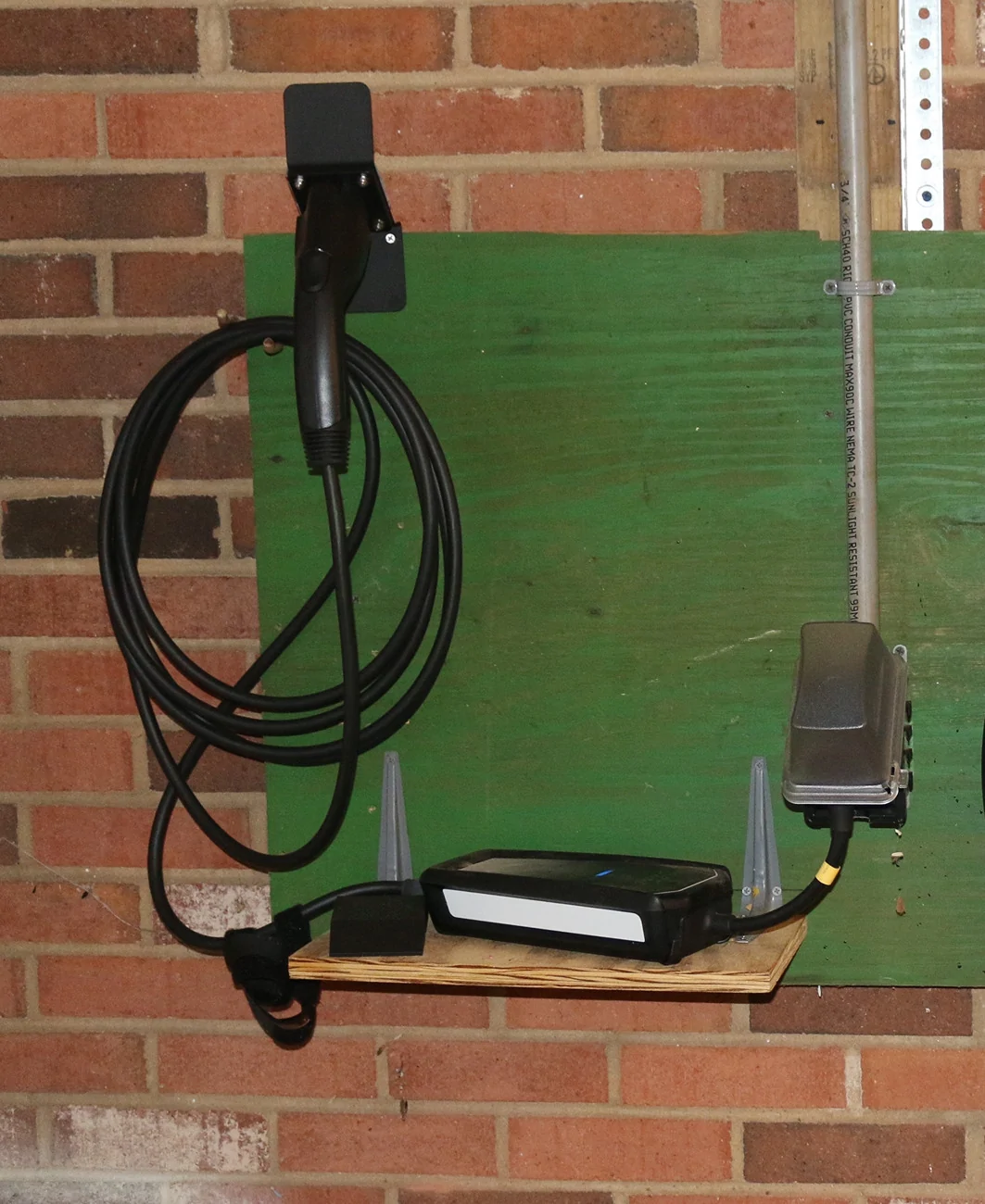
The dreaded amber light came on the Ford Charging Station for about the fourth time in just over three years. I should note that my charging unit is mounted outside, exposed to the elements and only modestly protected from rain and snow. I should also note that we are entering week two of frigid temperatures here in the Hudson Valley.
The first time the unit failed, it was the warmer season. I simply returned the unit to the dealer and they quickly replaced it under warranty.
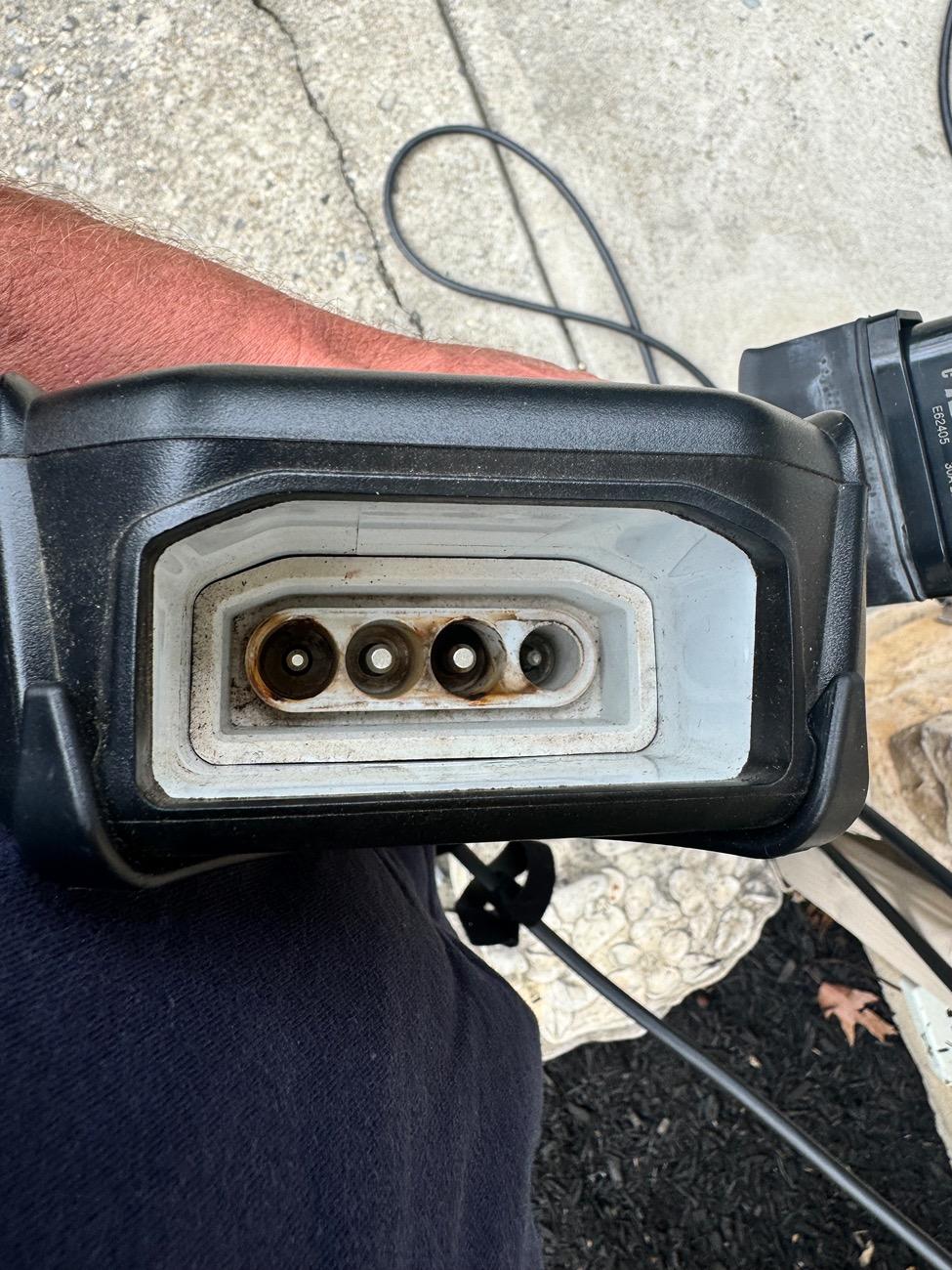
The second time, also moderate weather, I figured out that it was water infiltration in the 240v/110v connector port, that is the part where the interchangeable plugs connect to the unit. The repair was easy enough, dry it out, wipe it down, coat the inside with dielectric oil and reinstall it. I also added some electrical tape to cover the seams around the 240 adapter to eliminate or at least reduce the amount of rain getting in. That worked for about a year, but some how water got in anyway.
This third time it was far less traumatic, as the cause and likely fix were evident. I removed the adapter, wiped everything down and this time tried it without dielectric oil. I also more carefully taped up the seams. All good.
The fourth and most recent event was slightly different. Instead of just going amber (which it also did and which usually simply slowed charging to a trickle), this time a "Charging Error" message popped up on the Ford app. It would not allow a charge at all. Coincidently, a Rivian neighbor stopped by during this deep freeze and said his charging app would not allow charging to commence unless he fooled the vehicle into a preparing for fast charging mode (The Rivian app sounds more sophisticated than the Ford app!). I thought the Ford might have been experiencing the same thing. However, I could not find the "prepare for fast charging" mode on the Ford app or dash. Also, no amount of tinkering with the app or plugging and unplugging the charging station made a difference. Instead, a message appeared on the dash to go find a fast-charging station (by the way, the battery was already almost 80%. I was seeking to boost to 100% to prepare for a trip). So, first, I checked the seal created (granted, it's only electrical tape) and it seemed unbreached. Next, I took my trip and stopped on the way home at a fast-charging station. In case it was that same as the Rivian quirk, I tried to home charge one more time but got the same error.
It was time to pursue the usual course of action. I brought the charging station into the house. Even on closer inspection, the electrical tape home seal seemed perfectly intact. After removing the tape, the 240 adapters would not budge. It was literally frozen, as in the entire inside was apparently encased in ice and, well......
A few minutes with a hair dryer at the low setting thawed things out and when the plug finally dislodged, it was drenched inside (with a few spots of ice remaining. Now I am wishing I took a picture!). Everything got wiped down and all the contacts were cleaned off with Q-Tips and clothes. I got it as dry as I could. A few minutes later, I noticed moisture had returned. After giving it a good shaking, it was evident that water was coming from inside the unit, from the bottom up, not the top down. An inspection of the unit showed no place where water could get in. After drying it out near the house radiator for another hour and a lot more shaking and wiping, I returned the unit to its usual perch and it charged the truck like a champ.
So, this long story is for a couple of reasons. First, if anyone knows how water is getting inside the unit, cover please post here, especially if you have ideas (other than placing the charging unit elsewhere or devising some kind of cover) on how to prevent or fix this. The second reason is for those of you who are having similar experiences and are in a panic because the warranty may have expired. Wipe, dry, maybe thaw, wipe and dry and reinstall is all it should take. Good luck.
One final thought. Is it possible or reasonable that some condensation is forming and gathering inside the unit and my sealing of the seal even more is preventing evaporation? Are there any other explanations for how water got in through someplace other than the top? Thanks for reading. I look forward to reactions and responses.
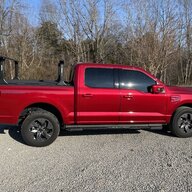
.PS.: Three years and five months. 28,330 miles on the odometer. Other than this bothersome charging issue and a few early post-purchase tweaks, ownership has been amazing. Winter range is a pain, but it's difficult to think of any other concerns. This is one of the favorite vehicles I ever owned (at least until someone sells a reasonably priced EV Convertible!!).
The first time the unit failed, it was the warmer season. I simply returned the unit to the dealer and they quickly replaced it under warranty.
The second time, also moderate weather, I figured out that it was water infiltration in the 240v/110v connector port, that is the part where the interchangeable plugs connect to the unit. The repair was easy enough, dry it out, wipe it down, coat the inside with dielectric oil and reinstall it. I also added some electrical tape to cover the seams around the 240 adapter to eliminate or at least reduce the amount of rain getting in. That worked for about a year, but some how water got in anyway.
This third time it was far less traumatic, as the cause and likely fix were evident. I removed the adapter, wiped everything down and this time tried it without dielectric oil. I also more carefully taped up the seams. All good.
The fourth and most recent event was slightly different. Instead of just going amber (which it also did and which usually simply slowed charging to a trickle), this time a "Charging Error" message popped up on the Ford app. It would not allow a charge at all. Coincidently, a Rivian neighbor stopped by during this deep freeze and said his charging app would not allow charging to commence unless he fooled the vehicle into a preparing for fast charging mode (The Rivian app sounds more sophisticated than the Ford app!). I thought the Ford might have been experiencing the same thing. However, I could not find the "prepare for fast charging" mode on the Ford app or dash. Also, no amount of tinkering with the app or plugging and unplugging the charging station made a difference. Instead, a message appeared on the dash to go find a fast-charging station (by the way, the battery was already almost 80%. I was seeking to boost to 100% to prepare for a trip). So, first, I checked the seal created (granted, it's only electrical tape) and it seemed unbreached. Next, I took my trip and stopped on the way home at a fast-charging station. In case it was that same as the Rivian quirk, I tried to home charge one more time but got the same error.
It was time to pursue the usual course of action. I brought the charging station into the house. Even on closer inspection, the electrical tape home seal seemed perfectly intact. After removing the tape, the 240 adapters would not budge. It was literally frozen, as in the entire inside was apparently encased in ice and, well......
A few minutes with a hair dryer at the low setting thawed things out and when the plug finally dislodged, it was drenched inside (with a few spots of ice remaining. Now I am wishing I took a picture!). Everything got wiped down and all the contacts were cleaned off with Q-Tips and clothes. I got it as dry as I could. A few minutes later, I noticed moisture had returned. After giving it a good shaking, it was evident that water was coming from inside the unit, from the bottom up, not the top down. An inspection of the unit showed no place where water could get in. After drying it out near the house radiator for another hour and a lot more shaking and wiping, I returned the unit to its usual perch and it charged the truck like a champ.
So, this long story is for a couple of reasons. First, if anyone knows how water is getting inside the unit, cover please post here, especially if you have ideas (other than placing the charging unit elsewhere or devising some kind of cover) on how to prevent or fix this. The second reason is for those of you who are having similar experiences and are in a panic because the warranty may have expired. Wipe, dry, maybe thaw, wipe and dry and reinstall is all it should take. Good luck.
One final thought. Is it possible or reasonable that some condensation is forming and gathering inside the unit and my sealing of the seal even more is preventing evaporation? Are there any other explanations for how water got in through someplace other than the top? Thanks for reading. I look forward to reactions and responses.
.PS.: Three years and five months. 28,330 miles on the odometer. Other than this bothersome charging issue and a few early post-purchase tweaks, ownership has been amazing. Winter range is a pain, but it's difficult to think of any other concerns. This is one of the favorite vehicles I ever owned (at least until someone sells a reasonably priced EV Convertible!!).
Sponsored
Last edited: