
lister coggs
Well-known member
- First Name
- Lister
- Joined
- Dec 26, 2023
- Threads
- 4
- Messages
- 51
- Reaction score
- 19
- Location
- Barrie, Ontario
- Vehicles
- 2022 Lariat SR
- Thread starter
- #46
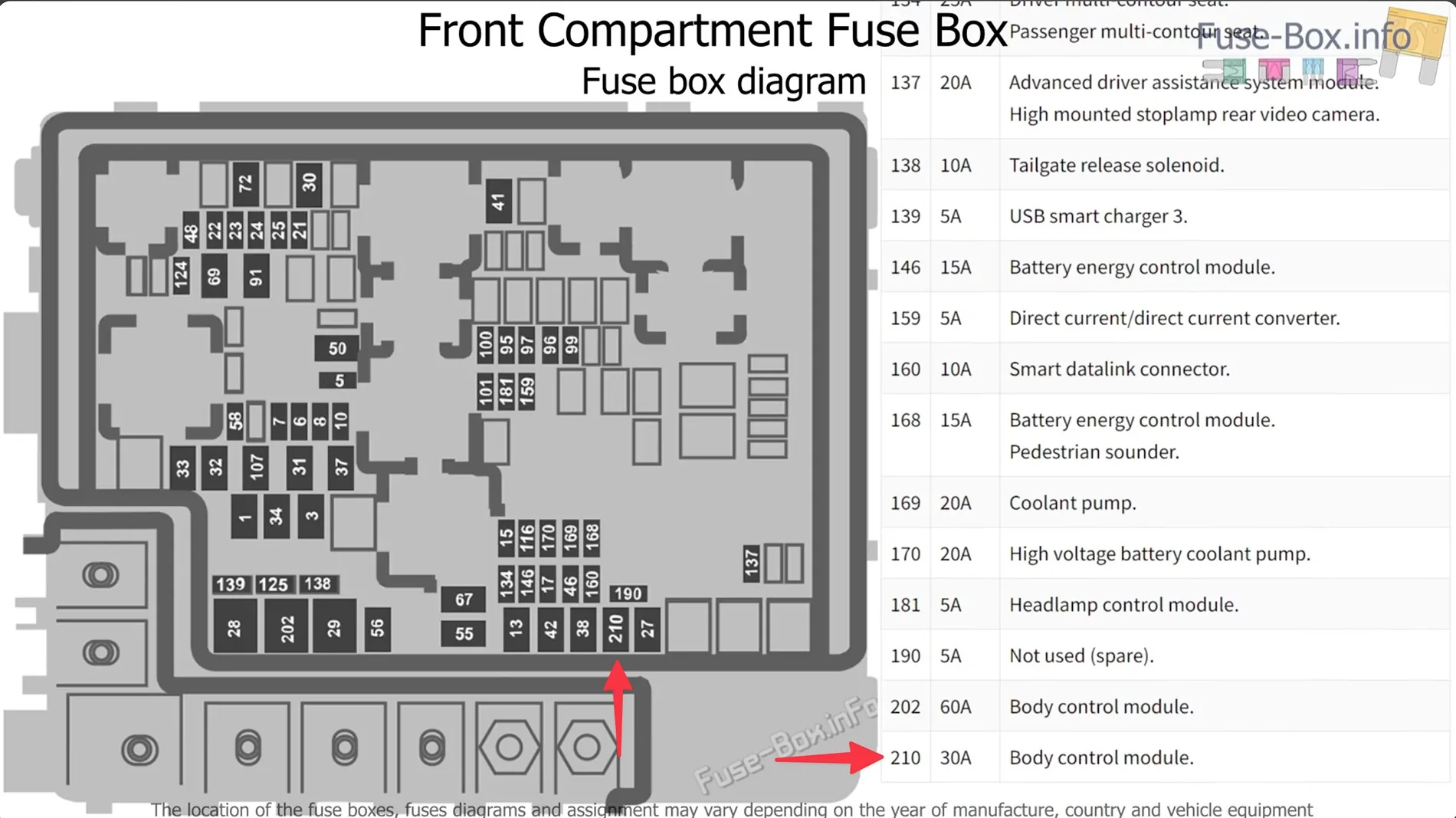
Nothing yet! Ford had my vehicle for a couple of days last week. At first, they said the terminal bolts were loose again (I'm pretty sure they weren't), then they had it for another day and said they were having trouble with it, but were able to reduce the draw from 6 amps to 1 amp. I had to take the vehicle back for the weekend, and I'm giving it to them again tomorrow.@lister coggs did you manage to get your drain issue sorted? I'm curious what was causing your problem.
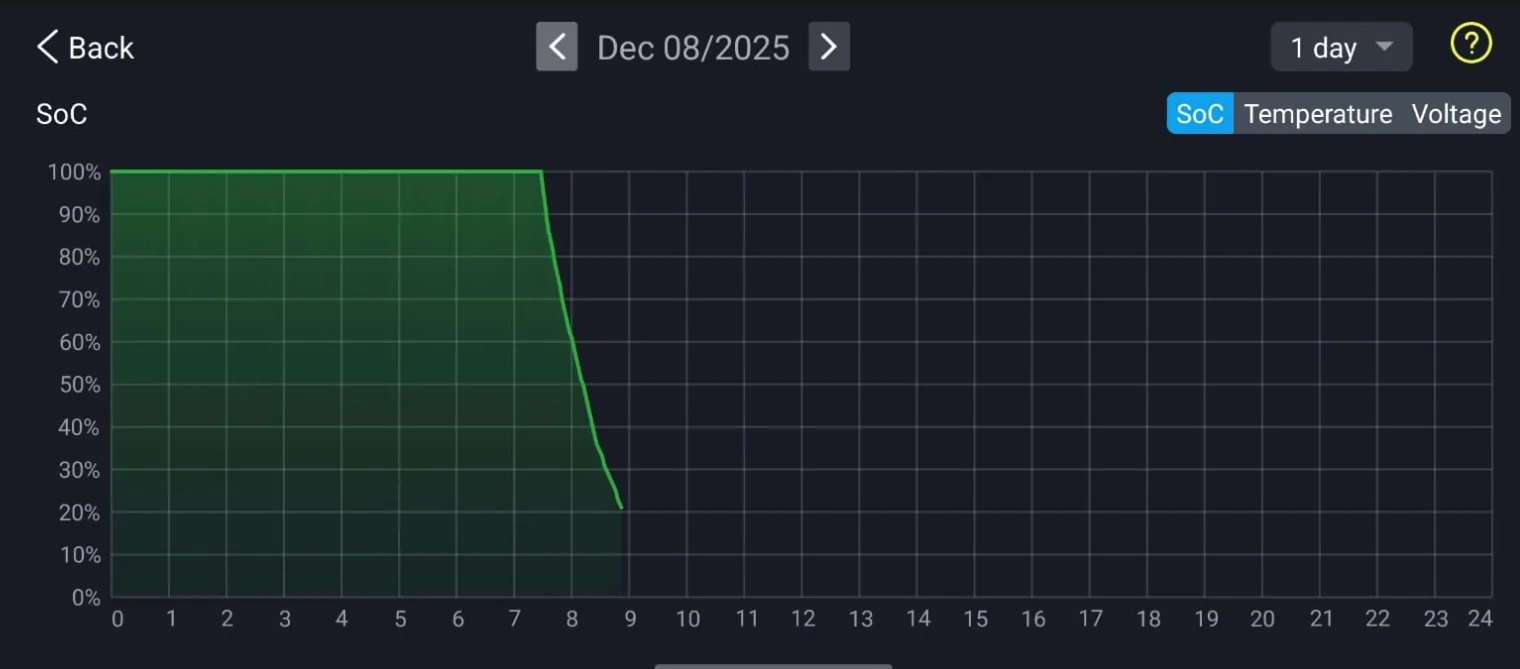
I put the monitor back on last night. The symptoms are the same as before I gave it to them (SOC stays at 100% when the HV battery is plugged in, drops immediately when not connected).
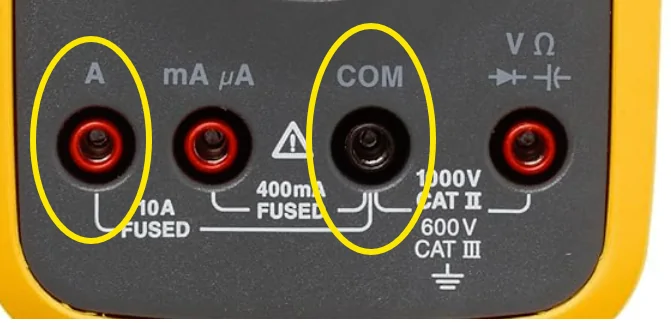
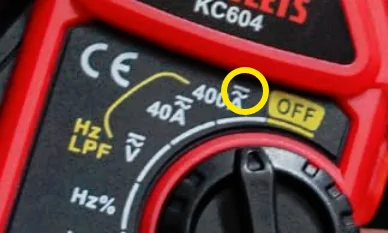
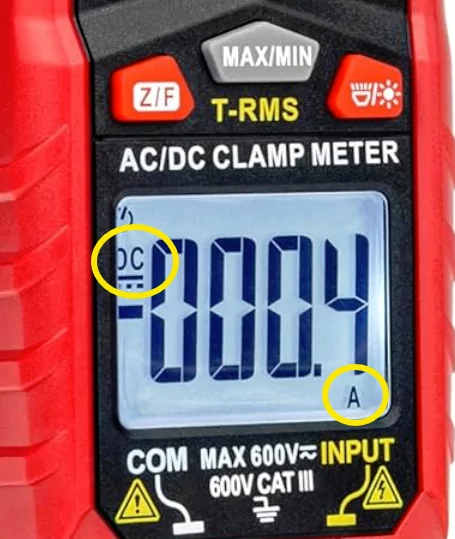
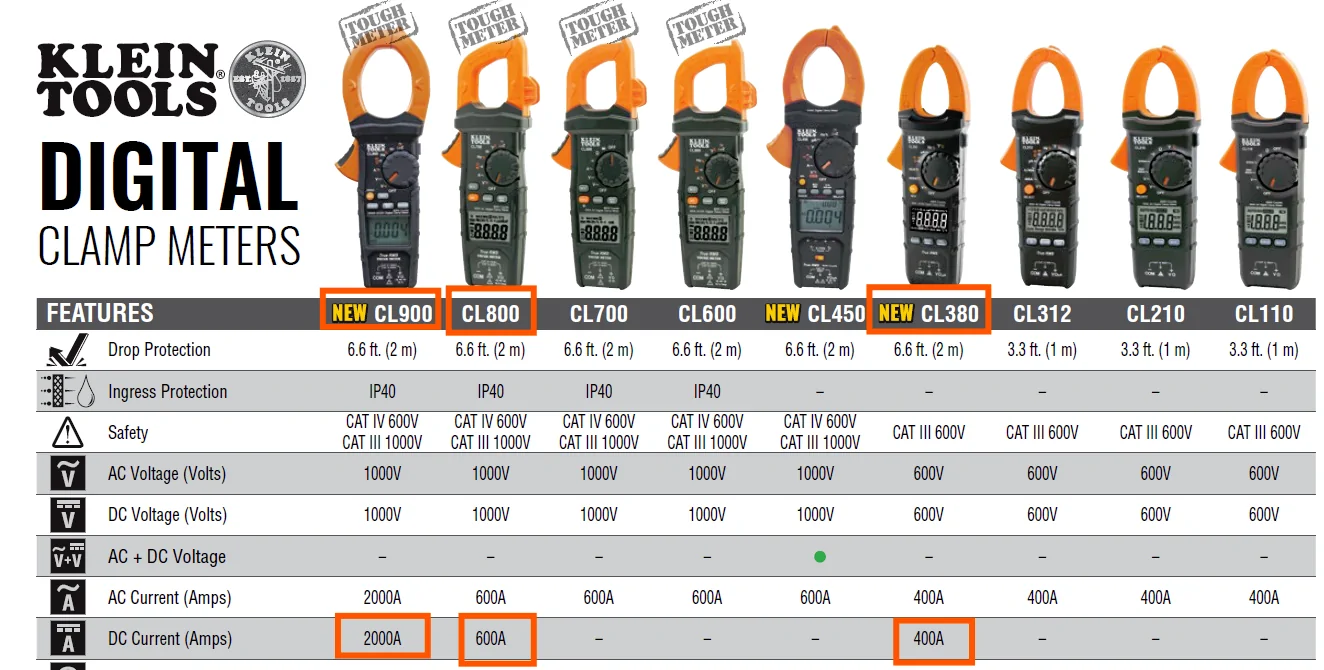
I don't know how much it will cost to have Ford investigate this issue. I was under the impression they charge for time spent diagnosing, which could cost a fortune since they don't seem to be familiar with the issue. I found this video on checking parasitic draw and might give it a whirl later today:
I have a feeling that it might be related to the motion sensor refusing to turn off as I hear that is a common culprit.
Sponsored



 Hey Santa!